
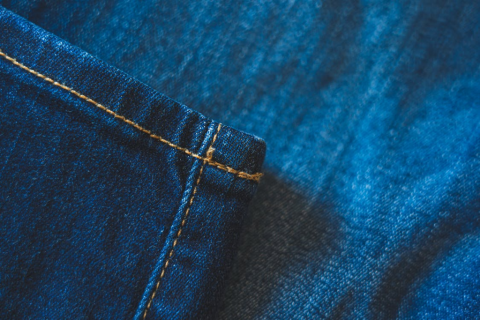
Photo by Castorly Stock : https://www.pexels.com/photo/blue-denim-jeans-texture-with-seams-410976…
Men's fashion in 2026 gravitates toward intentional simplicity, where stylish mens jeans and blank hoodies form the foundation of versatile wardrobes. This shift reflects broader cultural preferences for quality over quantity, with relaxed fits and neutral palettes dominating street style across urban centers. Yet achieving the balance between effortless comfort and refined presentation requires more than simply pairing basics together. Understanding proportion, texture, and strategic layering separates those who merely dress casually from those who embody modern minimalist sophistication.
Top Men’s Fashion Trends Defining Casual Style in 2026
As menswear evolves beyond traditional boundaries, 2026's casual fashion landscape emphasizes comfort without sacrificing sophistication. Relaxed silhouettes dominate, with oversized fits replacing restrictive tailoring across jackets, shirts, and trousers. Neutral color palettes, beige, olive, charcoal, and cream, create versatile wardrobes that shift seamlessly between settings.
Sustainable materials gain prominence as consumers prioritize eco-conscious choices. Organic cotton, recycled polyester, and innovative plant-based fabrics reshape production standards. Quality over quantity defines purchasing decisions. Minimalist aesthetics prevail, stripping away excessive branding and embellishments. Clean lines and functional design elements characterize modern casual wear.
Layering techniques add depth to simple pieces, allowing personal expression through thoughtful combinations. Technical performance features integrate into everyday garments, blending athletic innovation with street style. Moisture-wicking properties, stretch fabrics, and temperature regulation enhance wearability without compromising aesthetics.
How Stylish Mens Jeans Are Evolving With Modern Fits and Washes
Denim undergoes its most significant transformation in decades as designers reimagine traditional jean construction for contemporary sensibilities. Modern fits prioritize comfort without sacrificing structure, featuring relaxed tapers and straight legs that accommodate athletic builds. High-rise waistlines return as the dominant silhouette, eliminating the low-rise styles of previous eras.
Wash techniques embrace subtlety over distressing, with clean indigos and rinses gaining prominence. Eco-conscious manufacturing processes produce authentic fades through sustainable methods, appealing to environmentally aware consumers. Stretch denim blends incorporate advanced fabrics that maintain shape while providing flexibility for active lifestyles.
Japanese selvage denim experiences renewed interest among enthusiasts seeking premium quality and craftsmanship. Wide-leg and barrel cuts emerge as alternatives to skinny jeans, offering proportion balance for layered outfits and chunky footwear.
Why the Blank Hoodie Remains a Minimalist Wardrobe Essential
While denim continues its technical evolution, another cornerstone of modern menswear maintains relevance through purposeful simplicity. The blank hoodie endures as a minimalist essential precisely because it refuses embellishment. Without logos, graphics, or branding, these pieces function as neutral foundations that accommodate diverse styling approaches.
Quality construction distinguishes premium blank hoodies from mass-market alternatives. Heavyweight cotton blends, reinforced stitching, and considered proportions justify investment. The garment's versatility enables shifts between contexts, layered under tailored outerwear for elevated casual looks or worn alone for utilitarian functionality.
Color selection matters greatly. Navy, charcoal, and olive provide sophisticated neutrality beyond basic black and gray. These subdued tones integrate seamlessly with existing wardrobes while maintaining the aesthetic restraint that defines minimalist fashion. The blank hoodie ultimately represents intentional wardrobe editing rather than casual indifference.
Balancing Comfort and Structure in Everyday Streetwear Looks
Contemporary streetwear resolves the traditional tension between structure and comfort through strategic garment combinations. Pairing relaxed hoodies with tailored jeans creates visual balance while maintaining functionality. The key lies in selecting pieces with deliberate silhouettes rather than oversized or undersized extremes.
Structured denim provides foundation through defined lines at the waist and legs, anchoring looser upper layers. This contrast prevents outfits from appearing disheveled while preserving ease of movement. Quality construction matters, reinforced stitching and substantial fabric weight in both hoodies and jeans guarantee garments hold their intended shape throughout wear.
Footwear choices influence overall proportion. Clean sneakers or leather boots complement this approach by adding visual weight at the base, completing the structured-yet-comfortable aesthetic that defines modern streetwear functionality.
Layering Techniques to Elevate Simple Jeans and Hoodie Outfits
Strategic layering transforms basic jeans and hoodie combinations into refined outfits through calculated addition of complementary garments. A tailored overcoat or wool topcoat immediately elevates casualness while maintaining comfort.
Structured blazers create sophisticated contrast when worn over hoodies, bridging formal and relaxed aesthetics effectively. Denim or leather jackets add textural depth without overwhelming the foundational simplicity.
Lightweight bomber jackets provide modern dimensionality suitable for changing weather. The key involves selecting outer layers with clean lines that complement rather than compete with the hoodie's silhouette.
Color coordination matters greatly, neutral tones create cohesive visual flow, while strategic contrast draws intentional attention. Proportions require careful consideration; oversized hoodies pair best with fitted outerwear, whereas slim-fit hoodies accommodate bulkier jackets. Successful layering balances volume distribution across the torso, ensuring the outfit appears deliberate rather than haphazard.
Choosing Neutral Tones and Textures for a Clean, Modern Aesthetic
Neutral palettes form the backbone of modern menswear by eliminating visual noise and emphasizing structural quality. Shades of beige, gray, charcoal, and cream create versatile foundations that work across seasons and occasions. These colors allow fabric textures to become focal points rather than competing elements.
Texture selection proves equally important. Heavyweight cotton hoodies provide structure, while brushed fleece adds subtle dimension. Denim textures range from raw selvage to light washes, each offering distinct visual weight. Combining smooth and textured neutrals creates depth without pattern.
The monochromatic approach simplifies wardrobe decisions while maintaining sophistication. A charcoal hoodie paired with dark gray jeans demonstrates how tonal variation generates interest. Adding texture through knits, wovens, or different fabric weights prevents flat appearances. This restraint allows footwear and accessories to punctuate outfits effectively.
Footwear Pairings That Complete a Casual Yet Polished Outfit
Footwear selection determines whether a neutral outfit reads as intentionally minimal or unfinished. White leather sneakers remain the most versatile choice, providing clean lines that complement tapered jeans and fitted hoodies without competing for attention. Chelsea boots in tan or black suede elevate the same combination for evening settings or professional-casual environments.
Loafers offer an alternative that bridges formality levels, penny styles in cognac leather pair effectively with lighter denim, while sleek black versions suit darker washes. Canvas low-tops work for warmer months, maintaining the understated aesthetic while introducing breathable materials.
The key lies in condition and simplicity. Scuffed or overly technical footwear disrupts the curated minimalism. Shoes should feature minimal branding, consistent color saturation, and proportions that balance the silhouette rather than dominate it.
Seasonal Adaptations for Year-Round Wearability
Layering transforms neutral basics from single-season pieces into wardrobe foundations that function across temperature shifts. Spring demands lightweight overshirts worn open above hoodies, while summer strips combinations down to tees paired with rolled denim.
Autumn introduces bomber jackets and chore coats that complement the hoodie's relaxed silhouette without overwhelming proportions. Winter layering requires strategic composition: base thermal layers beneath hoodies, topped with wool overcoats or quilted parkas.
Fabric weight adjustments prove essential, heavyweight hoodies replace midweight versions when temperatures drop, while stretch denim maintains comfort across seasons. Accessories bridge seasonal gaps effectively.
Beanies and scarves extend hood-based styling through colder months, whereas caps and sunglasses maintain minimalist aesthetics during warmer periods. Transitional seasons benefit from versatile pieces like denim jackets that layer over or under hoodies depending on conditions.
Building a Versatile Capsule Wardrobe Around Core Casual Pieces
Strategic wardrobe construction starts with five to seven foundational garments that generate multiple outfit combinations through deliberate selection criteria. Men should prioritize neutral-colored jeans in dark indigo and black, paired with minimalist hoodies in grey, navy, and cream. These core pieces integrate seamlessly with essential additions: white and black t-shirts, a structured blazer, and versatile sneakers in monochrome palettes.
The capsule methodology emphasizes quality over quantity, selecting garments with consistent fit profiles across brands. Each piece must function in at least three distinct outfit formulas, maximizing cost-per-wear value.
Interchangeable basics eliminate decision fatigue while maintaining stylistic coherence throughout weekly rotations. Investment focuses on durable construction and timeless silhouettes rather than trend-driven purchases. This strategic approach reduces wardrobe volume by sixty percent while expanding practical outfit possibilities through systematic mixing protocols.