
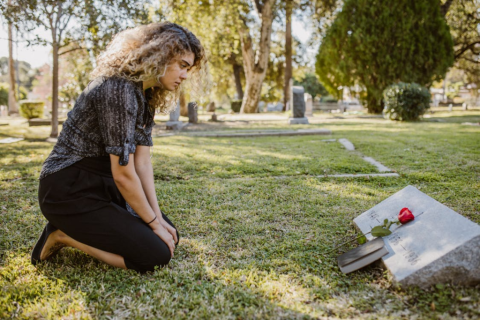
Photo by RDNE Stock project: https://www.pexels.com/photo/landscape-nature-woman-garden-6841606/
Grief transforms individuals in unexpected ways, leaving many searching for tangible sources of comfort during their darkest moments. While traditional healing methods offer support, an increasing number of people discover solace in combining ancient crystal practices with meaningful cremation keepsakes.
This pairing creates a unique healing framework that addresses both emotional pain and the need for physical connection to departed loved ones. Understanding how these elements work together opens new pathways through loss.
How Do Crystals for Grief Provide Emotional Healing?
Grief manifests as a profound weight that settles into both mind and body, creating physical tension and emotional turbulence that can feel overwhelming. Crystals offer supportive energy during this difficult period, serving as tangible anchors when emotions feel unmanageable. Their physical presence provides a grounding focal point for meditation and reflection.
Many grieving individuals find that holding specific stones during moments of distress facilitates emotional release, allowing tears and feelings to flow more naturally. While crystals don't replace professional counseling or medical care, they complement traditional healing methods by offering comfort and creating space for processing complex emotions at one's own pace.
The 7 Best Crystals for Grief and Their Healing Properties
Each crystal carries distinct energetic properties that address specific aspects of the grieving process, from overwhelming sadness to difficulty finding hope for the future. Rose quartz offers gentle comfort through unconditional love and self-compassion. Amethyst provides spiritual protection while calming anxious thoughts. Smoky quartz grounds overwhelming emotions and releases negative energy.
Apache tears, formed from volcanic glass, specifically address grief's intensity. Black obsidian facilitates deep emotional processing. Lepidolite contains natural lithium, promoting emotional balance. Clear quartz amplifies healing intentions.
Understanding crystal symbolism and emotional resonance helps mourners select stones that align with their unique healing needs during this transformative journey.
How to Use Grief Crystals for Daily Emotional Support
Selecting meaningful crystals represents only the beginning of incorporating these natural tools into a healing practice. Daily integration requires intentional approaches that honor one's grieving process. Holding chosen stones during mindfulness practices creates grounding moments throughout difficult days. Placing crystals on a bedside table or workspace maintains their supportive presence.
Combining crystal use with emotional journaling deepens self-reflection, allowing individuals to track healing patterns and emotional shifts. Morning rituals might involve setting intentions while holding rose quartz, while evening practices could include meditating with amethyst. Consistent, gentle incorporation transforms crystals from decorative objects into active companions supporting emotional recovery.
Cleansing and Charging Your Grief Crystals
Because crystals absorb emotional energy during grief work, they require regular cleansing to maintain their supportive properties. Effective cleansing rituals include rinsing stones under cool water, placing them in moonlight overnight, or using smoke from sage or palo santo. After cleansing, charging methods restore the crystal's energy through sunlight exposure, burying in earth, or setting intentions while holding the stone.
Some practitioners combine their grief crystals with cremation keepsakes during charging ceremonies, creating meaningful connections. Monthly cleansing proves sufficient for most users, though periods of intense emotion may warrant more frequent attention to maintain ideal energetic support. It is quite common to shop cremation keepsakes along with searching for crystals.
Carrying Grief Crystals Throughout Your Day
Once crystals have been properly cleansed and charged, integrating them into daily routines allows for continuous emotional support during the grieving process. Keeping a small stone in a pocket or purse creates opportunities for crystal mindfulness throughout the day.
When overwhelming emotions surface, holding the crystal provides a tangible focal point for emotional grounding. Some individuals place crystals on their desk at work or bedside table, maintaining a comforting presence during vulnerable moments.
Wearing crystal jewelry offers another discreet way to stay connected to their healing properties while maneuvering through daily activities and social interactions during bereavement.
Pairing Crystals for Grief With Memorial Keepsakes
Combining crystals with cremation keepsakes creates a multi-dimensional memorial that honors both physical remembrance and emotional healing. Memorial symbolism becomes more personalized when thoughtfully selected stones accompany urns, jewelry, or photo displays. Rose quartz pairs beautifully with portrait frames, infusing cherished images with loving energy.
Amethyst complements cremation jewelry, offering spiritual protection alongside physical remembrance. Black tourmaline grounds memorial altars while providing emotional stability.
These crystal pairings create sacred spaces where grief can be processed naturally. The tangible presence of both keepsake and stone provides comfort during difficult moments, transforming memorial areas into sources of healing rather than solely spaces of sorrow.
Creating a Grief Altar With Crystals and Personal Items
A grief altar serves as a dedicated sanctuary where mourners can process emotions while honoring their loved one's memory through intentional arrangement of meaningful objects. Combining crystals with cremation keepsakes and altar decorations creates profound emotional connection through sacred space design. Rose quartz and amethyst amplify healing intentions, while photographs and cherished belongings add personal significance.
Ritual practices like lighting candles during intention setting establish mindfulness techniques for processing loss. Memory honoring becomes tangible when meaningful items occupy this dedicated area, transforming grief work into deliberate ceremony. Regular altar visits provide consistent comfort and spiritual grounding throughout the healing journey.
Choosing Quality Crystals for Grief
When selecting crystals for grief and loss, authenticity and energetic resonance should guide purchasing decisions rather than appearance alone. Reputable quality sources provide certification and transparent information about origin and treatment methods. Different crystal types serve distinct emotional needs: rose quartz offers gentle comfort, while smoky quartz grounds overwhelming feelings.
Physical examination helps determine authenticity; genuine stones display natural variations and temperature responsiveness. Establishing relationships with trusted local metaphysical shops or certified online retailers guarantees ethical sourcing. The connection felt when holding a crystal often indicates energetic compatibility, making personal interaction with stones valuable before purchase.
Crystal Jewelry vs. Loose Stones: Which Supports Grief Better?
Both jewelry and loose stones offer distinct advantages for grief support, with the ideal choice depending on individual comfort needs and daily routines. Wearing crystal jewelry maintains continuous contact, allowing steady emotional resonance throughout the day. Necklaces position stones near the heart center, while bracelets enable discreet touching during difficult moments.
Loose stones provide flexibility in crystal selection, allowing individuals to carry different stones as emotional needs shift. They're ideal for meditation practices and creating personal grief altars.
Some find holding smooth stones during therapy sessions particularly grounding. Consider combining both approaches to maximize healing benefits during different grief phases.
Conclusion
Grief's journey unfolds uniquely for each person, yet the path need not be walked alone. When crystals and cherished keepsakes unite, they create something unexpected, a sanctuary where pain transforms into remembrance, and sorrow slowly yields to acceptance. The stones wait patiently, holding space for tears yet to fall and strength yet to emerge. What lies ahead remains unwritten, but with these gentle companions nearby, healing becomes not just possible, but inevitable.