
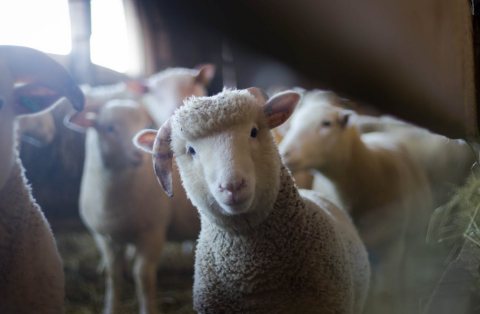
Photo by Trinity Kubassek: https://www.pexels.com/photo/sheep-288621/
Feeding treats to goats and horses requires more than good intentions. Research indicates that inappropriate treat selection causes digestive complications, metabolic disorders, and behavioral issues across both species. Each animal possesses distinct physiological requirements and digestive capabilities that determine which foods promote health versus those that create harm.
Understanding the biological differences between ruminant and hindgut fermentation systems becomes essential before offering any supplemental food items. The consequences of uninformed treat choices extend beyond simple stomach upset.
Safe Treats for Goats: What They Can Actually Eat
While goats possess remarkable digestive adaptability as browsers and opportunistic foragers, their treat consumption requires careful consideration of ruminant physiology and metabolic constraints. Acceptable options include leafy vegetables, root crops, and limited fruit portions, providing nutritional benefits through vitamins and minerals. Treat alternatives such as sunflower seeds and pumpkin seeds offer protein and healthy fats without excessive sugar content.
Commercial safe goat treats formulated specifically for caprine digestive systems present controlled supplementation. Quantities must remain minimal, constituting no more than 10% of daily intake to prevent rumen acidosis and metabolic disorders. Fresh browse from non-toxic trees provides species-appropriate enrichment while supporting natural foraging behaviors.
Safe Treats for Horses: Vet-Approved Options
Though equine digestive anatomy differs substantially from ruminant systems, horses similarly require judicious treat selection based on hindgut fermentation dynamics and glycemic considerations. Vet approved options include carrots, apples (seeds removed), bananas, and watermelon rinds in controlled portions. Commercial pelleted treats containing safe ingredients like timothy hay, oats, and molasses offer standardized nutritional profiles.
Peppermints remain acceptable occasionally, though sugar content warrants restriction. Contraindicated items include stone fruits, cruciferous vegetables causing gas accumulation, and chocolate containing theobromine toxicity. Maximum daily treat allocation should not exceed one percent of body weight to prevent metabolic disruption and obesity.
Dangerous Foods That Look Harmless to Goats and Horses
Despite their apparent innocuousness, numerous common foods harbor significant toxicological risks for both caprine and equine species. Avocados contain persin, causing myocardial damage in horses and digestive distress in goats. Cruciferous vegetables produce gas accumulation, potentially triggering fatal bloat in goats. Stone fruit pits release cyanogenic glycosides when chewed.
Chocolate's theobromine proves cardiotoxic to both species. Lawn clippings ferment rapidly, inducing colic. Various harmful plants including rhododendrons, azaleas, and oleander demonstrate severe neurotoxic and cardiotoxic properties. Hidden toxins in moldy feeds produce mycotoxins affecting hepatic function. Onions and garlic cause hemolytic anemia through oxidative erythrocyte damage. Tomato foliage contains toxic glycoalkaloids.
How Much to Feed: Daily Treat Limits by Weight
Maintaining appropriate treat portions requires adherence to the ten-percent rule: supplemental foods should constitute no more than 10% of total daily caloric intake for both goats and horses. Weight guidelines for treat portioning specify that a 150-pound goat should receive maximum 0.75 pounds of treats daily, while a 1,000-pound horse may consume up to 5 pounds. Miniature breeds require proportional reductions.
Calculate individual requirements by multiplying body weight by 0.005 for precise dosing. Treats exceeding these thresholds risk nutritional imbalance, digestive upset, and metabolic dysfunction. Division into multiple small portions throughout the day optimizes digestive efficiency and prevents overconsumption.
Goat and Horse Digestion: Why Some Treats Cause Problems
Understanding the digestive physiology of goats and horses reveals fundamental differences that dictate treat tolerance and suitability. Goats possess robust rumen microbiomes producing digestive enzymes that ferment diverse plant materials, enabling broader dietary flexibility. Their four-chambered stomachs process fiber intake efficiently through microbial breakdown.
Horses, however, utilize hindgut fermentation in their cecum and colon, making them vulnerable to rapid carbohydrate overload. Excess sugar disrupts their delicate microbial populations, triggering laminitis or colic. High-starch treats bypass inadequate small intestine processing, reaching the hindgut undigested. This physiological distinction explains why treats containing refined sugars pose considerably greater risks to equines than caprines.
Store-Bought Treats vs. Fresh Foods: What Works Best
Commercial horse treats formulations frequently contain binding agents, preservatives, and concentrated sugars that compromise their suitability for both species, despite marketing claims of species-appropriate nutrition. Store bought quality varies considerably, with most products prioritizing shelf stability over nutritional integrity.
Fresh food benefits include superior digestibility, absence of synthetic additives, and nutrient bioavailability that processed alternatives cannot replicate. Carrots, apples (seedless), and leafy greens provide ideal nutrition without metabolic stress.
When commercial treats prove necessary, selecting minimally processed options with recognizable ingredients guarantees safer supplementation. Fresh foods consistently demonstrate superior outcomes in maintaining digestive health and metabolic balance for both goats and horses.
Seasonal Fruits and Vegetables Your Animals Will Love
Seasonal produce availability directly influences both nutritional value and cost-effectiveness when selecting treats for goats and horses. Spring offerings include strawberries and asparagus, providing vitamin C and fiber. Summer yields watermelon and cucumber, delivering hydration alongside treat benefits.
Fall introduces apples and pumpkins, rich in beta-carotene and digestive support. Winter carrots and parsnips maintain mineral content during cold months. Seasonal variety guarantees superior nutrient density while reducing expense.
Goats demonstrate particular enthusiasm for root vegetables, whereas horses prefer sweeter options like apples and berries. Fresh seasonal produce contains higher vitamin concentrations compared to stored alternatives, maximizing nutritional impact per serving.
Signs Your Goat or Horse Can't Tolerate a Treat
While offering fresh seasonal treats provides numerous benefits, animal caretakers must remain vigilant for adverse reactions that indicate intolerance or sensitivity. Goats exhibit bloating signs including distended abdomens, teeth grinding, reluctance to move, and abnormal vocalizations.
Horses demonstrate colic symptoms: pawing, flank-watching, excessive rolling, and heightened heart rates. Both species may display behavioral changes such as lethargy, aggression, or food refusal. Diarrhea, excessive gas, skin irritation, and respiratory distress warrant immediate veterinary consultation. Documenting which treats preceded symptoms enables identification of problematic foods. Gradual introduction of novel treats in small quantities allows systematic monitoring for species-specific adverse responses.
Conclusion
Treating goats and horses improperly can trigger catastrophic digestive consequences that veterinarians witness daily. Evidence-based feeding protocols mandate strict adherence to species-specific treat ratios: 10% maximum daily intake for caprine subjects, 1% body weight for equine animals. Clinical data confirms that gradual introduction periods, systematic monitoring for intolerance markers, and selection of approved feed items such as leafy vegetables and root crops for goats, seedless apples and carrots for horses will significantly reduce morbidity rates. Proper treat administration protocols guarantee ideal animal welfare outcomes.